Quick answer: Choose by how easy the sock is to put on rather than by anything else. Zip-up styles open flat and need no bending or gripping, open-toe styles slide on more easily, and sitting down to do it matters more than any technique.
My grandfather gave up on compression socks entirely, not because they did not suit him but because getting them on had become a twenty-minute ordeal he dreaded.
That is the problem worth solving, and it is a practical one rather than a medical one. Nothing here is medical advice - if a healthcare professional has specified a particular garment, buy that from a supplier who deals in it.
Start with how it goes on
Everything else is secondary. A sock that fits perfectly and takes fifteen minutes and both hands is a sock that gets skipped on the days you feel least like the effort.
So the first question is not fabric, colour or specification - it is whether you can put it on comfortably, sitting down, without help.
Zip-up socks
The clearest answer. A zip-up opens flat down the side, so you place your foot in, draw it up loosely and close the zip. There is no stretching over the heel and no hauling up the leg, which are the two steps that need grip and reach.
People who switch to these tend to say the same thing - that they wish they had done it sooner - the zip-up range covers them, and the comparison is honest about the trade-offs.
Open-toe styles
Easier than a closed toe because the toes are where a sock grips hardest going on. They are also cooler and work with more kinds of footwear.
Combining both is the most forgiving option available - the open-toe zip sock is exactly that, and the open-toe range has the rest.
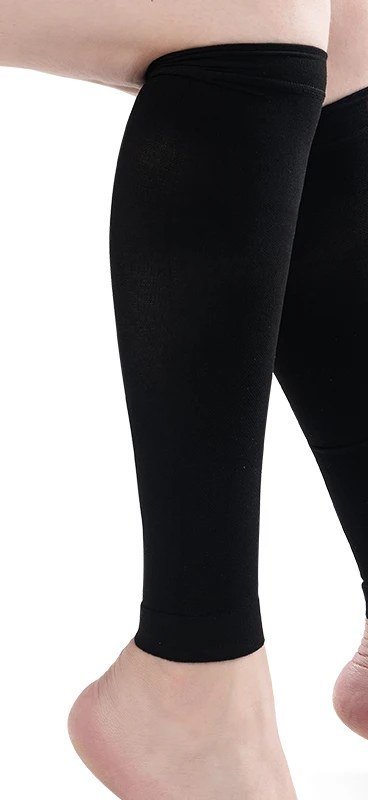
Footless calf sleeves
Worth knowing about. These cover the calf and go over your own socks, which means you keep whatever footwear routine already works and add the calf part separately.
Two easier items rather than one harder one is a genuine improvement for some people.
Technique, if a pull-on is what you have
Before changing anything, the method is worth trying, because most people do it the hard way.
Turn the sock inside out to the heel. Place the heel first. Then roll the fabric up the leg with both hands rather than pulling from the top. Do it first thing in the morning, sitting on the edge of the bed, on completely dry feet.
Rubber washing-up gloves give a grip that bare hands cannot - the full method covers it.
Sit down, always
Not a small point. Putting socks on standing up, or balancing on one leg, is how falls happen.
Sit on a bed or a firm chair with arms - the bestsellers are all manageable that way. A footstool to bring your foot closer means less folding forward. If a low sofa is the only option, it is worth moving somewhere else for this.
Sock aids
These exist and some people find them helpful - a frame or a gutter that holds the sock open so you can slide your foot in without bending. They vary a lot in how well they work with a snug sock, and they are worth trying rather than assuming.
For many people a zip removes the need for one entirely, which is simpler.
Getting them off
The half that is often harder and rarely mentioned, because it needs the same reach.
Hook your thumbs into the top, roll down to the ankle, then ease off the heel - do not pull from the toe. A zip solves both ends of the problem at once, which is a strong argument for it over an open-toe pull-on.
Sizing
Measure the calf at its widest, first thing, and go up if between sizes. A sock that is slightly generous is comfortable and considerably easier to manage; a tight one is neither.
If knee-highs have always dug in at the top, a genuine wide-calf cut is the answer - the wide-calf range is knitted wider, and the sizing guide covers measuring.
Asking for help
Worth saying plainly: it is a fifteen-second job for somebody else and there is nothing undignified about it. Plenty of people have someone put their socks on in the morning and it is entirely unremarkable.
Keeping a pair by the bed
Small and it changes whether this happens at all.
If the socks live in a drawer across the room, putting them on becomes a task that competes with everything else about getting up. If they are on the bedside table, they go on while you are already sitting on the edge of the bed, which is the easiest moment of the day for it.
The same applies to slippers and to anything else you want to happen first thing - the everyday range covers what to keep there.
Warmth as a reason on its own
Worth mentioning because it comes up often and is rarely listed.
Plenty of people wear knee-highs simply because their feet and legs get cold, particularly sitting still in a chair for long stretches in winter. That is a perfectly good reason to own a pair, and it has nothing to do with anything else on this page.
A warmer blend suits that better than a thin summer knit - the fabric guide covers the differences.
How many pairs
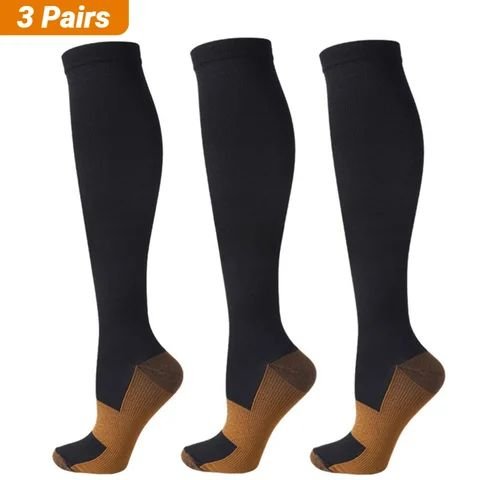
Enough that there is always a clean one without laundry pressure - three or four. Multipacks make that affordable - the multipacks cover it, and the everyday range covers styles.
Helping somebody else get them on
If you are doing this for a partner or a parent, a few things make it much easier for both of you.
Sit them in a chair with a back, not on the edge of a bed. Balance is half the difficulty, and a chair removes it.
Work from the side rather than kneeling in front. You get a straighter pull and you are not in their way.
Roll the sock inside out down to the heel first, seat the heel properly, then work the leg up in short stages. Do not haul from the top - it stretches the band and leaves the ankle slack.
Say what you are doing as you go. Having somebody handle your legs without warning is unpleasant, and a running commentary makes it ordinary.
If it is a daily struggle for either of you, that is the point to look at a zip-up style rather than persevering with technique. A zip changes the job completely.
And do it in the morning before they have been on their feet. Later in the day is harder for everyone.
This is comfort advice, not medical advice.
The short version
- Choose by how easy the sock is to put on - everything else is secondary.
- Zip-ups remove the two steps that need grip and reach entirely.
- Always sit down on a bed or firm chair; balancing on one leg is how falls happen.
- Getting them off needs the same reach - a zip solves both ends at once.
- Asking someone for help is a fifteen-second job and entirely unremarkable.
Frequently asked questions
What is the easiest compression sock to put on?
A zip-up. It opens flat down the side, so you place your foot in, draw it up loosely and close the zip - removing the two steps that need grip and reach, which are stretching over the heel and hauling up the leg.
Are open-toe styles easier?
Yes, because the toes are where a sock grips hardest going on. They are also cooler and work with more footwear. An open-toe with a zip is the most forgiving combination available.
Should I sit or stand to put them on?
Always sit, on a bed or a firm chair with arms. Putting socks on standing up or balancing on one leg is how falls happen. A footstool to bring your foot closer means less folding forward.
Do sock aids work?
Some people find them helpful - they hold the sock open so you can slide a foot in without bending. They vary a lot in how well they cope with a snug sock, so try rather than assume. A zip often removes the need.
What size should I choose?
Measure the calf at its widest first thing, and go up if you are between sizes. A slightly generous sock is comfortable and considerably easier to manage, where a tight one is neither.