Quick answer: Bamboo viscose feels smoothest and handles a warm day best. Cotton feels the most familiar but holds damp and loses its shape soonest. Nylon and elastane give the stretch that makes a sock hold its shape, so nearly every sock is a blend rather than one fibre.
I spent years measuring people for hosiery in a shop, and fibre was the question I answered most often. It is also the one where the marketing is furthest from what you actually notice on your feet.
Almost nothing is one fibre
Worth clearing up first. A sock described as bamboo is not pure bamboo, and a cotton sock is not pure cotton. Both need elastane to stretch and recover, and most need nylon for durability at the heel and toe. What the headline fibre tells you is what sits against your skin and what most of the bulk is made of - not what the whole sock is.
So the useful question is not "which fibre" but "which blend, and what is it mostly".
Bamboo viscose
What you notice: it is the smoothest of the three against skin, and it feels cool rather than warm when you first put it on. That is why it is the one people reach for in summer, on a long flight, or for a shift in a warm kitchen.
Where it wins: warm conditions and long wear. It moves damp away from the skin quickly, so socks stay feeling drier for longer than cotton does.
The catch: it is a regenerated fibre, so it is a little more delicate than nylon and does not love a hot wash. It also costs a bit more. The everyday range is where most of ours sit.
Cotton
What you notice: familiarity. Cotton feels like the socks you grew up with - soft, matt, a bit more substantial.
Where it wins: comfort in normal indoor conditions, and for anyone who simply does not get on with synthetics next to their skin.
The catch: cotton absorbs damp and holds onto it rather than moving it on, so on a long hot day it can end up feeling heavy. It is also the fibre that goes baggy soonest, because cotton itself has no recovery - everything springy in a cotton sock is the elastane, and cotton around it stretches.
Nylon and elastane
What they do: nylon is the workhorse. It is strong, it resists abrasion, and it holds a shape. Elastane is what lets a sock stretch over a heel and come back.
Where they win: longevity, and holding the graduated knit that makes a compression sock what it is. A sock with plenty of nylon will keep its shape through far more washes.
The catch: a high-nylon sock next to the skin can feel slick or warm, which some people dislike on a hot day. In practice most socks put a softer fibre on the inside and the nylon where the wear happens.
A rough guide
| If you want | Look for |
|---|---|
| Coolest on a warm day | Bamboo-rich blend |
| Softest, most familiar feel | Cotton-rich blend |
| Longest life, best shape retention | Higher nylon content |
| All-day desk or shift wear | Bamboo or a cotton blend with good nylon |
| Sport and heavy sweating | Synthetic-rich, not cotton |
The fibre is not what decides comfort
The thing worth saying plainly, because it saves people money. Fit matters far more than fibre. A bamboo sock in the wrong calf width will feel worse all day than a cotton one that fits properly, and no fibre rescues a sock that is digging in at the top. Get the size right first, then pick the fibre you like - the sizing and fit guide covers measuring, and the sizing and fit guide covers the two numbers that matter.
What the fibre changes about washing
Bamboo and cotton both want a cool wash and no tumble dryer. Heat is what kills the elastane, and once that goes the sock never grips again, whatever the outer fibre is. Nylon-rich socks tolerate more but there is no reason to push it. Wash at 30, inside out, and dry flat or on a line - the care and FAQs guide covers the detail, and the care guide covers the rest.
Colour and pattern follow the fibre too
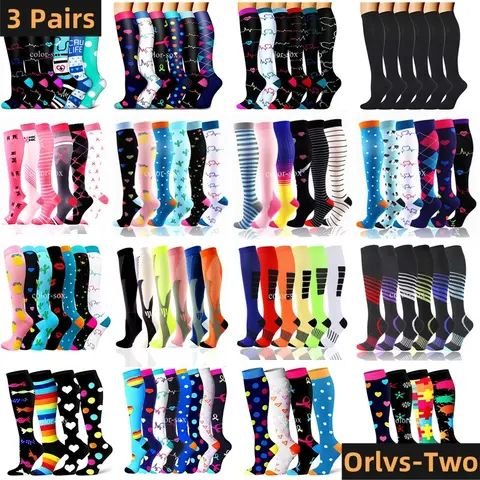
Worth knowing if you care how they look. Cotton takes deep, matt colour well. Bamboo has a slight sheen that makes colours look a little richer. High-nylon socks hold printed patterns most crisply and fade least in the wash - which is why patterned ranges tend to be synthetic-rich. The women's range and the men's range both cover all three.
What we would actually suggest
If you are buying one pair to try, take a bamboo-rich blend for a warm environment or a long journey, and a cotton blend for everyday indoor wear. If you are buying a multipack to wear in rotation, mixed fibres are genuinely useful - you will find yourself reaching for different ones in July and January. The multipacks are the cheapest way to test that, and the multipacks covers what is worth paying for.
This is comfort advice, not medical advice. Browse everyday comfort, the bestsellers or the full range.
The short version
- No sock is one fibre - the headline fibre is what touches your skin, not the whole blend.
- Bamboo feels coolest and smoothest; cotton feels most familiar but holds damp.
- Nylon is what makes a sock keep its shape through repeated washing.
- Fit matters far more than fibre - the wrong calf width beats any fabric choice.
- Heat kills elastane, so wash at 30 and skip the tumble dryer whatever the fibre.
Frequently asked questions
Is bamboo better than cotton for compression socks?
For warm conditions and long wear, yes - bamboo viscose feels smoother and cooler and moves damp away rather than holding it. Cotton feels more familiar and suits normal indoor wear, but goes baggy sooner.
Why does my sock say bamboo but also list nylon?
Because every sock needs elastane to stretch and recover, and nylon for durability at the heel and toe. The headline fibre describes what sits against your skin and most of the bulk, not the whole sock.
Which fibre lasts longest?
A blend with more nylon in it. Nylon resists abrasion and holds a shape, so the graduated knit survives more washes. Cotton has no recovery of its own, which is why cotton-rich socks go baggy first.
Does the fibre change how comfortable a sock is?
Less than fit does. A bamboo sock in the wrong calf width will feel worse all day than a well-fitting cotton one, and no fibre rescues a sock that digs in at the top. Get the size right first.
Should I avoid cotton for sport?
For heavy sweating, yes. Cotton absorbs damp and holds it, so socks end up feeling heavy. A synthetic-rich or bamboo blend moves moisture on and stays feeling drier through a long session.