Quick answer: Teaching means standing and walking for hours with almost no chance to sit properly, so knee-high socks in a smart plain colour suit it well. Buy enough pairs to have a clean one every day and put them on before you leave home.
I have never taught, but I spent a decade doing a job with the same shape - on your feet, no proper breaks, and no realistic way to sit down when you want to.
What makes teaching hard on legs
It is not one thing, it is the combination.
You are standing and walking for most of the day. Break duty means the breaks are not breaks. Lunch is often eaten standing or while doing something else. Classroom floors are hard. And unlike a lot of standing jobs, there is very little opportunity to step off the floor for ten minutes when you need to.
The result is a day where you are upright almost continuously from eight until four - the on-your-feet guide covers those days.
What to wear
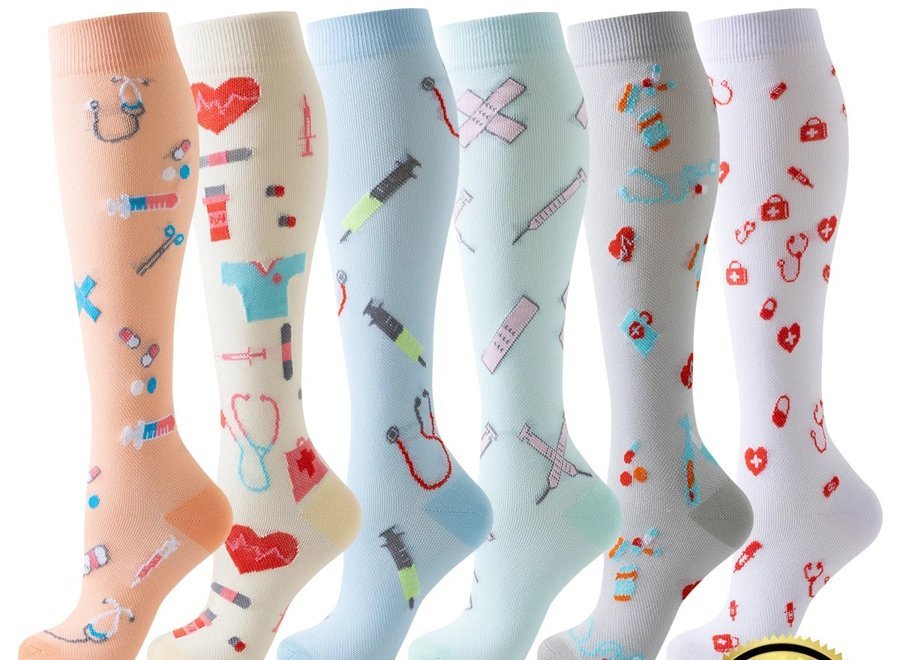
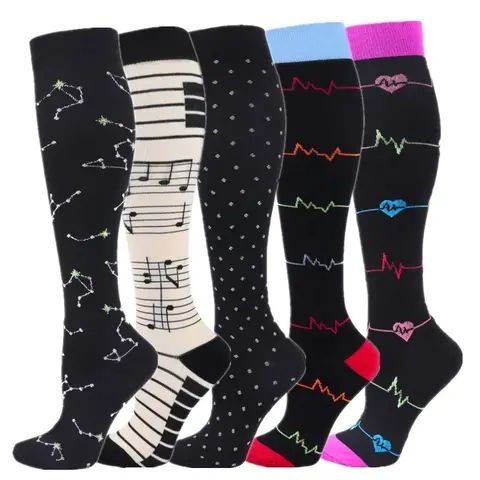
Knee-high, in a plain colour that suits a staff dress code. Under trousers nobody will know they are there; with a skirt or dress, plain black or a proper neutral is the sensible choice.
Plain and Simple is the straightforward one, and Shift Ready is built for long days - the work range has the rest.
Enough pairs for a week
Five, so there is a clean pair every day and no washing decisions on a Wednesday night.
That sounds like a lot until you consider you would not wear the same shirt five days running. Multipacks make it cheap - the multipacks cover it, and the spending guide covers value.
On before you leave the house
Not in a staff toilet at eight twenty-five. Legs are smallest first thing, which makes the sock easier to get on, and the commute counts too - the easy-on method covers the technique.
Get the calf width right
More important in a job you cannot escape from. A sock that is slightly tight is a niggle at nine and all you can think about by two, and there is no point in the day where you can take it off.
Measure the widest part of your calf in the morning, buy to that, and go up if you are between sizes - the sizing and fit guide covers it, and the wide-calf range is knitted properly wider if that is your issue.
Shoes, honestly
They matter more than the socks. A supportive shoe with real cushioning, replaced when it is finished rather than when it looks finished, is doing most of the work.
Two pairs alternated is better than one pair worn daily, because each gets a day to dry out and the pressure falls slightly differently. Smart trainers are increasingly acceptable in a lot of schools and are considerably better for this than a flat smart shoe with no support.
The bits of the day that help
- Sit down when you genuinely can, properly, rather than perching.
- Move about the room rather than standing in one spot at the front - walking is easier than standing still.
- Get your feet up in a free period if you have somewhere to do it without an audience.
- Water within reach, since teachers drink far less than they should during a day.
Break duty and trips
The days that are noticeably harder. A playground duty in winter is standing still in the cold, which is more demanding than walking about. A school trip is a very long day on your feet in unfamiliar shoes.
Those are the days to wear a fresh pair and to take the twenty minutes with your feet up when you get home - the on-your-feet guide covers the whole day.
Marking in the evening
The other half of the problem. A day standing followed by three hours sitting still at a table is two demanding positions back to back.
Get twenty minutes with your feet up between them rather than going straight from one to the other, and get up every half hour while marking - the desk jobs guide covers the seated half.
Wet weather and outdoor duty
Worth planning for separately, because damp feet change everything.
A sock that gets wet on a playground duty is uncomfortable for the rest of the day, and there is rarely a chance to change. Keeping a spare pair in a desk drawer is a small thing that saves an afternoon, and it costs almost nothing once you own a multipack - the multipacks make a spare set cheap.
Term time and holidays
Most people find they want them during term and not much in the holidays, which is exactly right - these are for the days that ask something of your legs.
Use the holidays to check the state of the set. If a pair goes on much more easily than it did in September, the stretch has gone and it is due for replacing - the care and FAQs guide covers when a pair is finished.
Washing five pairs a week
Cool wash, inside out, no tumble dryer, and a mesh bag so you are not hunting for singles. Rotate the whole set rather than favouring one pair - the washing guide covers the method.
This is comfort advice, not medical advice.
The short version
- Teaching is upright almost continuously from eight to four, with breaks that are not breaks.
- Buy five pairs so there is a clean one daily and no laundry decisions midweek.
- A slightly tight sock is a niggle at nine and unbearable by two, and you cannot remove it.
- Shoes matter more than socks - two pairs alternated beats one worn daily.
- Marking after a standing day is two demanding positions back to back; break them up.
Frequently asked questions
Why is teaching hard on your legs?
The combination. Standing and walking most of the day, break duty meaning breaks are not breaks, lunch eaten standing, hard classroom floors, and very little chance to step off your feet for ten minutes.
What should I wear in a classroom?
Knee-high in a plain colour that suits your school's dress code. Under trousers nobody knows they are there, and with a skirt or dress a plain black or proper neutral is the sensible choice.
How many pairs do I need?
Five, so there is a clean pair every day and no washing decisions on a Wednesday night. It sounds like a lot until you consider you would not wear the same shirt five days running.
Do shoes matter more than socks?
Honestly, yes. A supportive shoe with real cushioning, replaced when it is finished rather than when it looks finished, is doing most of the work. Two pairs alternated beat one pair worn daily.
What about marking in the evening?
A standing day followed by three hours sitting still is two demanding positions back to back. Take twenty minutes with your feet up between them, and get up every half hour while you work.