Quick answer: Gardening and DIY days mix standing, kneeling and lifting for hours without the structure of a work shift, so people do far more than they intended. Wear knee-highs under boots, take deliberate breaks, and expect to feel it the next day.
A Saturday in the garden is the most under-planned physical day most people have. Nobody warms up for it, nobody paces it, and everybody does more than they meant to.
Why a garden day catches people out
Because there is no structure. A work shift has breaks, an end time and someone else's schedule. A garden day has "just finish this bed", and then it is six o'clock and you have been outside since ten.
The mix is also unusual: standing, kneeling, squatting, lifting, carrying, and long spells bent over. That is more varied and often more demanding than a shift on your feet - the on-your-feet guide covers standing days.
What to wear
Knee-high, under whatever boots you garden in. Something dark, because gardening is a dirty business and a pale sock will not survive the afternoon.
Check the thickness against your boots before a long day, since wellingtons and work boots have fixed volume and a thicker sock changes the fit - the work range covers durable options.
Boots and wellingtons
Wellingtons are the specific problem. They are usually unsupportive, often loose, and worn for hours because it is muddy.
A sock that stays up matters more in a welly than in anything else, because a sock that slides down inside a loose boot bunches under your foot. And an insole in a wellington is one of the cheapest improvements available to anyone who gardens seriously.
Kneeling
Worth its own note, because it is the part that surprises people the day after.
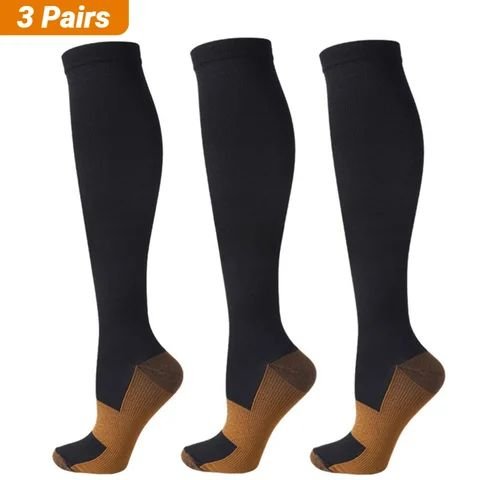
Use a kneeler or a pad rather than going straight onto the ground, and wear something you do not mind ruining - a multipack is the sensible way to own gardening socks, and change position regularly rather than staying down for forty minutes. Getting up and moving between tasks is easier if you deliberately alternate jobs that need kneeling with jobs that do not.
Take breaks you did not plan to take
The hardest advice, because a garden day has its own momentum and stopping feels like losing time.
Sit down properly every couple of hours, with your feet up if you can. A cup of tea sitting on a chair is a break. A cup of tea standing by the shed is not - the on-your-feet guide covers pacing a long day.
Lifting and carrying
Bags of compost, paving, water, timber. Do less of it at once than you think you can, and make two trips rather than one heroic one.
Carrying changes how you stand and how long you can comfortably do it, which is why an afternoon of moving materials is harder than an afternoon of weeding even though it looks lighter.
DIY days indoors
The same pattern with harder floors. Standing on a concrete garage floor or a bare board floor for six hours is genuinely demanding. There is usually no comfortable seating anywhere near the job.
An old rug or a piece of cardboard where you are standing makes a surprising difference and costs nothing - the everyday range covers socks for those days.
The day after
Most people feel a garden day the next morning rather than at the time, which is why it keeps happening.
A short walk the following day helps more than resting completely. And a pair of socks on for the evening after a big day is exactly the recovery use runners have settled on - the recovery guide covers that.
Seasonal bursts
Gardening is not evenly spread. Spring and autumn involve a run of heavy days close together, and that is when people notice.
If you have a big project coming - a patio, a fence, a full clear-out - having comfortable boots, a kneeler and a few pairs of decent socks sorted beforehand is worth more than sorting it out in week two - the multipacks make a set cheap.
Ticks, brambles and bare legs
A practical reason to cover the calf that has nothing to do with comfort.
Long grass, brambles and hedge work are all easier in something that covers the leg. And a knee-high does that without the heat of a full trouser tuck. It also saves the scratches that come with an afternoon of cutting back.
Tuck trousers into the sock for anything in long grass - it looks ridiculous and it works - the knee-high range covers the length.
Hot days
The obvious objection to knee-highs in a garden in July.
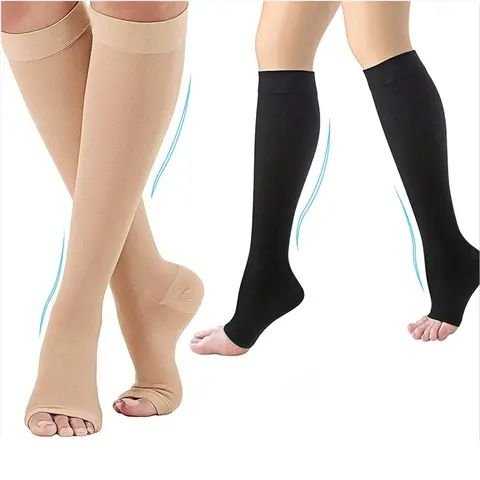
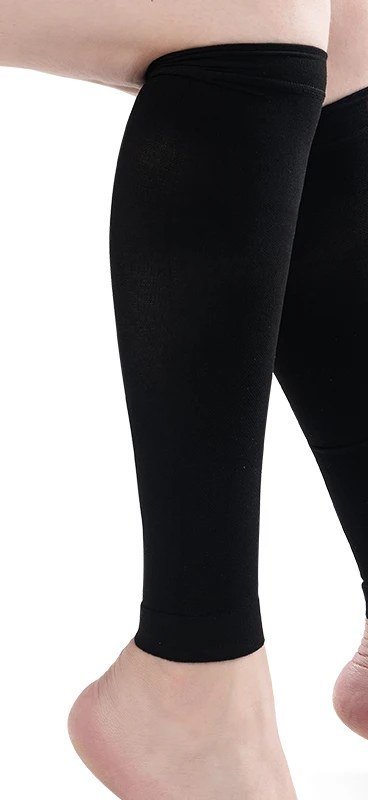
Choose a breathable blend rather than a heavy cotton, and consider doing the heavy work early or late rather than in the middle of the day. A footless calf sleeve over an ankle sock is the cooler option if a full sock is too much - the footless range covers those.
Washing them afterwards
Let mud dry completely and brush it off before washing, rather than putting wet mud through the machine, which smears it into the fabric.
Then cool wash inside out, no tumble dryer - the sport washing guide covers mud. The general washing guide covers the method.
Getting the garden out of them afterwards
Garden socks come off in a different state from work socks. And the usual washing advice needs a bit of adjusting.
Shake them out before anything else, outside. Soil and grit in the knit will scour the fibres in the machine. And that abrasion does more damage than the mud does.
Then rinse them in cold water first, on their own. Cold shifts soil; warm water sets it. This is the step people skip and then wonder why a pair has gone grey.
Only after the rinse should they go in with the rest of the wash, still cool, still inside out, still in a mesh bag.
Grass stains are the one thing that often will not come out entirely, which is a good argument for keeping a dark pair specifically for garden days.
That is worth doing anyway. A retired pair that has softened past a long shift is perfectly good for two hours of weeding, and it saves your best pair from the roughest day of the week.
Check the foot for thorns and splinters before they go in the machine. A bramble in a sock finds a drum seal eventually.
This is comfort advice, not medical advice.
The short version
- A garden day has no structure, so people do far more than they intended.
- The mix of standing, kneeling, squatting and carrying is more demanding than it looks.
- Wellingtons are the specific problem - unsupportive, loose and worn for hours.
- A cup of tea sitting down is a break; standing by the shed is not.
- Let mud dry and brush it off before washing rather than putting it through wet.
Frequently asked questions
Why does a day in the garden leave my legs aching?
Because it has no structure. There are no set breaks or finish time, so people do far more than intended, and the mix of standing, kneeling, squatting, lifting and bending is more demanding than it looks.
What should I wear on my feet?
Knee-high socks in a dark colour under whatever boots you garden in. Check the thickness against your boots first, since wellingtons and work boots have fixed volume and a thicker sock changes the fit.
Are wellingtons a problem?
They are the specific one - usually unsupportive, often loose, and worn for hours because it is muddy. A sock that stays up matters more here, and an insole is one of the cheapest improvements available.
How should I pace a long garden day?
Sit down properly every couple of hours with your feet up if you can, and alternate jobs that need kneeling with jobs that do not. A cup of tea sitting on a chair is a break; standing by the shed is not.
How do I get mud out of my socks?
Let it dry completely and brush it off before washing. Putting wet mud through the machine smears it into the fabric and sets it. Then cool wash inside out with no tumble dryer as usual.