Quick answer: For a genuinely long sector, pack for comfort rather than entertainment: a spare pair of socks, a warm layer, an empty water bottle, lip balm and moisturiser, a proper eye mask, earplugs or headphones, and everything you actually need within reach of your seat.
A three-hour hop and a fourteen-hour sector are different problems. This is the list for the long one.
Pack for comfort, not for entertainment
The mistake almost everyone makes. People pack books, laptops and plans for the hours, and then spend the flight cold, dry and uncomfortable, not reading any of it.
On a long sector, the things that change how you feel at the other end are warmth, water, and being able to change position. Entertainment is provided.
The comfort list
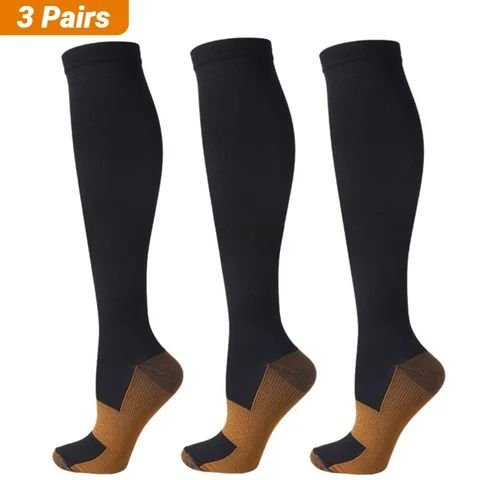
- A spare pair of socks. The best thing in the bag, and it costs nothing in space - the flights and travel range covers what to take.
- A warm layer you can put on without standing up. Cabins get properly cold at night.
- An empty water bottle, filled after security.
- Lip balm and moisturiser. The air is drier than people expect and it makes a real difference over ten hours.
- A proper eye mask that actually blocks light, not a free one that slides off.
- Earplugs or noise-cancelling headphones.
- A toothbrush. Wildly out of proportion to its size in how much better it makes you feel.
Wear the bulky things
Compression socks on at home. Your heaviest shoes, ideally slip-on. Your warmest coat carried rather than packed.
That is three of the most awkward items dealt with before you reach the airport - the wearing guide covers the socks.
Organise it so you can reach it
The bit that gets overlooked. Once the lights are down and the person beside you is asleep, getting into an overhead locker is a production.
Put everything you will want during the flight in a small pouch that lives at your feet or in the seat pocket - socks, lip balm, eye mask, earplugs, phone, medication. The rest can go overhead and stay there.
Medication and documents
Always in the cabin, never in the hold, with enough for delays rather than exactly enough for the journey. Keep documents somewhere you can reach without standing up.
What to skip
A full change of outfit, unless you genuinely need it on arrival. Three books. A big camera you will not use in the air. Anything heavy you brought "just in case".
Hand luggage you can lift into a locker without help is worth more than any of it.
The sock plan for a long sector
Wear a pair from home. Change into the spare somewhere in the second half, ideally after a walk about. Keep the fresh pair on for landing and the transfer.
Do the change sitting in your seat with your shoes off, not standing in a cubicle - the planes guide covers the whole journey, and the travel guide has the long version.
Food
Worth a line, because meal timings on a long sector rarely match when you are hungry.
Something dry and unexciting - a cereal bar, nuts, oatcakes - covers the gap between service and landing without melting into your bag. Anything with chocolate in it will not survive, and anything strongly smelling makes you unpopular in a confined space.
Buy it after security rather than trying to bring liquids through - the packing checklist covers the security queue.
Documents and the small stuff
The things that cause the most stress and weigh the least.
Passport, boarding pass and any visa paperwork in one place you can reach seated. A photo of each on your phone as a backup. A pen, because landing cards still exist. And a small amount of local currency for the far end, since a card that has not been told you are travelling is a poor thing to discover at an airport taxi rank.
The packing checklist covers the rest of the bag.
Charging
Not every seat has a working socket, and the ones that do are often slow.
A power bank charged before you leave is the difference between arriving with a phone and arriving without one, which matters when you need it for a transfer or a booking. Keep it in the cabin bag - it cannot go in the hold anyway - and keep the cable with it rather than in another pocket.
Sleeping
Eye mask, earplugs, warm layer, shoes off, socks on, seatbelt over the blanket so nobody wakes you to check it. That last one is a genuine crew tip and it works.
Whether to keep the socks on while you sleep on a flight is a fair question, and most people do on a long sector - the FAQs guide covers it.
Arriving
Keep the socks on through immigration, baggage and the journey to your hotel. That is often another two hours of standing and sitting after a long flight, and it is the stretch people skip.
Then get to where you are staying, take them off, and have a shower - the everyday range is what to change into.
The seat you choose
More relevant to your legs than most people expect.
An aisle seat lets you stand up without asking two people to move, which in practice means you will actually do it. A window seat is better for sleeping and worse for moving. A bulkhead gives legroom but often a fixed armrest and no under-seat storage for the bag you wanted at your feet.
If the priority is getting up and walking, take the aisle - the travel guide covers the rest of the journey.
Multi-sector trips
Pack a third pair. A connection with a long layover plus another sector is effectively two long-haul flights, and arriving at the far end in the pair you put on twenty hours ago is a grim way to start a trip - the multipacks make that cheap.
This is comfort advice, not medical advice.
The short version
- Pack for comfort rather than entertainment - warmth, water and being able to move.
- A spare pair of socks is the best thing in the bag and costs nothing in space.
- Keep everything you will want in a small pouch at your feet, not overhead.
- A toothbrush is wildly out of proportion to its size in how much better it makes you feel.
- Seatbelt over the blanket so nobody wakes you to check it - a genuine crew tip.
Frequently asked questions
What should I pack for a long-haul flight?
Comfort items rather than entertainment: a spare pair of socks, a warm layer, an empty water bottle to fill after security, lip balm and moisturiser, a proper eye mask, earplugs, and a toothbrush.
How should I organise my cabin bag?
Put everything you will want in flight into a small pouch that lives at your feet or in the seat pocket. Once the lights are down and your neighbour is asleep, getting into an overhead locker is a production.
When should I change socks on a long flight?
Somewhere in the second half, ideally after a walk about, keeping the fresh pair on for landing and the transfer. Do it seated with your shoes off rather than standing in a cubicle.
What is not worth packing?
A full change of outfit unless you need it on arrival, three books, a camera you will not use in the air, and anything heavy brought just in case. Hand luggage you can lift unaided is worth more.
How many pairs of socks for a multi-sector trip?
Three. A connection with a long layover plus another sector is effectively two long-haul flights, and arriving at the far end in the pair you put on twenty hours earlier is a grim start to a trip.