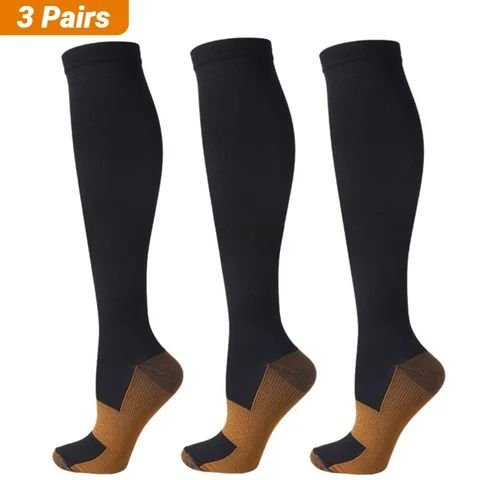
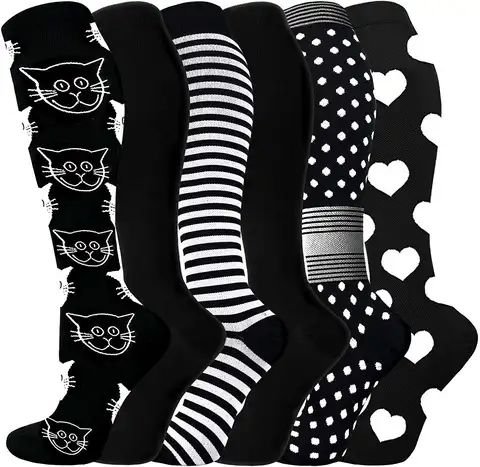
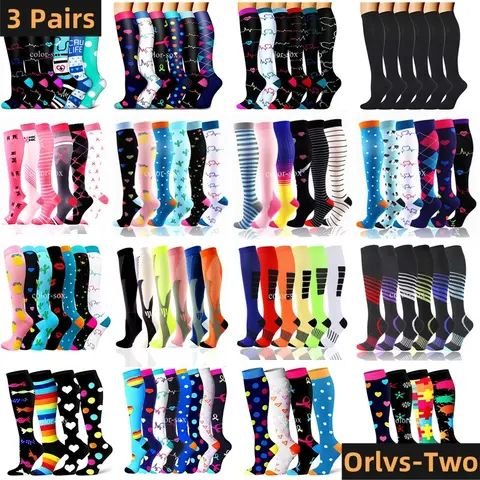
Quick answer: Wear your compression socks and your bulkiest shoes. In hand luggage: an empty water bottle, a spare pair of socks, lip balm, a warm layer, medication and documents, headphones, and a pen. Everything else is optional and most of it is weight.
I watched people board with the wrong things for three decades. This is the list I would give a friend.
Wear, do not pack
Your compression socks. On before you leave home, over clean dry feet - the wearing guide covers the whole sequence.
Your bulkiest shoes. Slip-on if possible. Shoes are the heaviest, most awkward thing in a case and wearing them costs nothing.
Your heaviest layer. A coat weighs nothing on your arm and a great deal in a bag.
In hand luggage, in order of usefulness
- An empty water bottle. Fill it after security. Cabins are dry and waiting for the trolley is a poor plan.
- A spare pair of socks. The single most improving item on a long sector - multipacks make this painless.
- Lip balm and a small moisturiser. Dry air is the thing people underestimate.
- A warm layer. Cabins get cold at night regardless of where you are flying.
- Medication and documents, always in the cabin, never in the hold.
- Headphones, ideally your own.
- A pen. Landing cards still exist and nobody ever has one.
The bag itself
Worth a thought, because it is the thing you carry all day.
Something you can get in and out of while seated beats something that has to go in the locker. A soft bag squashes under the seat where a hard case will not. And a bag you can carry across your body leaves both hands free at the point you are juggling a passport and a boarding pass.
Whatever you choose, it wants to be light enough to lift into a locker without help - a multipack of socks weighs nothing, unlike most of what people pack.
What people bring and never use
Neck pillows that do not fit their neck. Three books for an eight-hour flight. A full-size wash bag. Snacks that melt. A laptop they will not open.
None of it is a disaster, all of it is weight, and hand luggage you can lift comfortably makes the whole day easier.
The socks question specifically
Wear a pair, pack a pair. If it is a multi-sector trip, pack two.
The spare is not really about hygiene - it is about the point somewhere over the second ocean when changing your socks makes you feel human again. Keep them in the cabin bag, not the hold - the flights and travel range covers what to take, and the buying guide covers choosing them.
Getting through security
Liquids ready before you reach the belt. Laptop somewhere you can reach without unpacking everything. Shoes that come off without sitting down.
You will likely stand on the floor in your socks for a minute, which is another argument for the pair you are happy to wash rather than the brand new ones.
For the flight itself
Shoes off once you are settled. Socks on. Water within reach. Something warm.
Get up and walk when the aisle is clear and the seatbelt sign is off - the travel guide covers the whole journey.
Layers, because cabins are unpredictable
The temperature on a long sector is rarely what you would choose, and it changes through the flight.
Two thin layers beat one thick one, because you can take one off. A hooded top doubles as something to lean against. And socks are part of this - warm feet make a cold cabin considerably more bearable, which is a side benefit of wearing a proper pair rather than the thin ones you happened to have on.
The flights and travel range covers the socks and the travel guide covers the rest of the bag.
If you are travelling with children
Everything above, plus more snacks than you think and a change of clothes for them in the cabin bag. Children move constantly, which is why they rarely complain about their legs, and adults are the ones who need the socks.
If you are pregnant
Put the socks on at home, take an easy-on style, and pack the spare somewhere you can reach without standing up - the zip-up range is the practical choice, and the pregnancy comfort guide covers travel.
The hold bag
Not really the point of this list, but two things worth saying. Put a spare set of clothes in your cabin bag in case the hold bag goes elsewhere. And do not put anything in the hold you would be genuinely upset to lose.
Landing
Keep the socks on through the transfer, the baggage wait and the journey to wherever you are staying. Take them off when you can actually sit down - the everyday range is what most people change into, and the planes guide covers the rest.
This is comfort advice, not medical advice.
The short version
- Wear the bulky things: compression socks, your heaviest shoes, your warmest layer.
- An empty water bottle filled after security beats waiting for the trolley.
- Pack a spare pair of socks in the cabin bag, not the hold.
- Medication and documents never go in the hold, under any circumstances.
- Take a pen - landing cards still exist and nobody ever has one.
Frequently asked questions
What should I wear rather than pack for a long flight?
Your compression socks, put on at home; your bulkiest shoes, ideally slip-on; and your heaviest layer. Shoes and coats are the most awkward things in a case and cost nothing to wear.
What is worth having in hand luggage?
An empty water bottle to fill after security, a spare pair of socks, lip balm, a warm layer, medication and documents, your own headphones, and a pen for landing cards.
Why pack a spare pair of socks?
Less for hygiene than for morale - there is a point on a long sector where changing your socks makes you feel human again. Keep them in the cabin bag rather than the hold, where you cannot reach them.
What do people bring and never use?
Neck pillows that do not fit, three books for an eight-hour flight, a full-size wash bag, snacks that melt, and a laptop they never open. None of it is a disaster, but all of it is weight.
Should I keep my socks on after landing?
Yes, through the transfer, the baggage wait and the journey to where you are staying. The journey does not end when the aircraft does, and that last stretch is often more sitting and standing than people count.