Quick answer: Look for a close fit through the calf, a smooth toe seam and a fabric that moves damp away rather than holding it. Introduce them on easy runs first, never on race day, and expect the clearest benefit on the morning after a long effort.
I have paced club runners from first 5k to marathon day, and the sock question splits the group every time. Here is what I actually tell people.
What matters in a running sock
Fit through the calf. More important than anything else. A sock that grips too hard at the top is unbearable at mile nine, and one that slides down is doing nothing.
A smooth toe seam. A ridge you barely notice walking becomes a blister over an hour of running.
A fabric that moves damp on. Cotton holds it, which makes a sock heavy and increases friction. Synthetic-rich or bamboo blends are the sensible options - the fabric guide covers the differences.
Enough nylon to survive the washing. Running socks get washed more than any other kind.
Socks or calf sleeves
The first real decision.
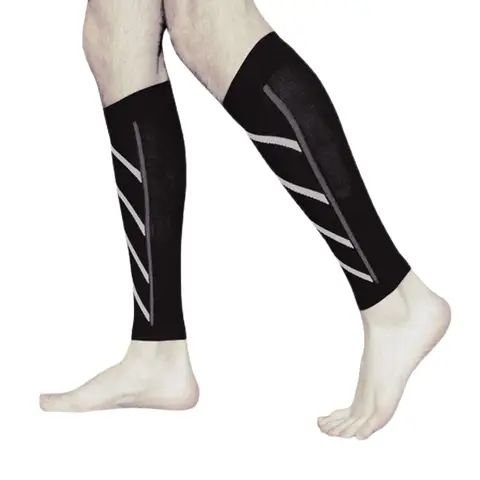
Calf sleeves cover the calf and leave your feet in whatever running socks you already trust. That matters, because most regular runners have a sock they get on with and no interest in changing it - the all-day sleeves and the featherlight sleeves are the two options.
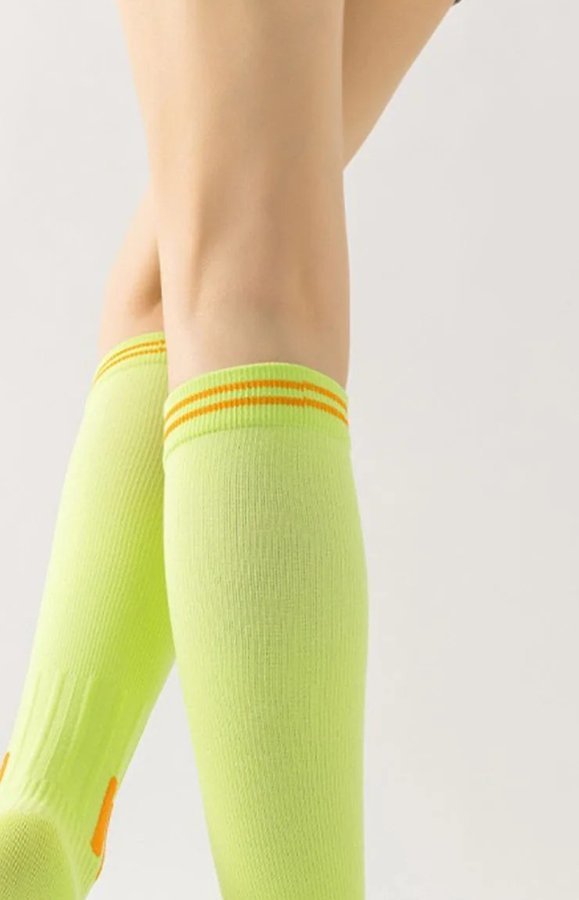
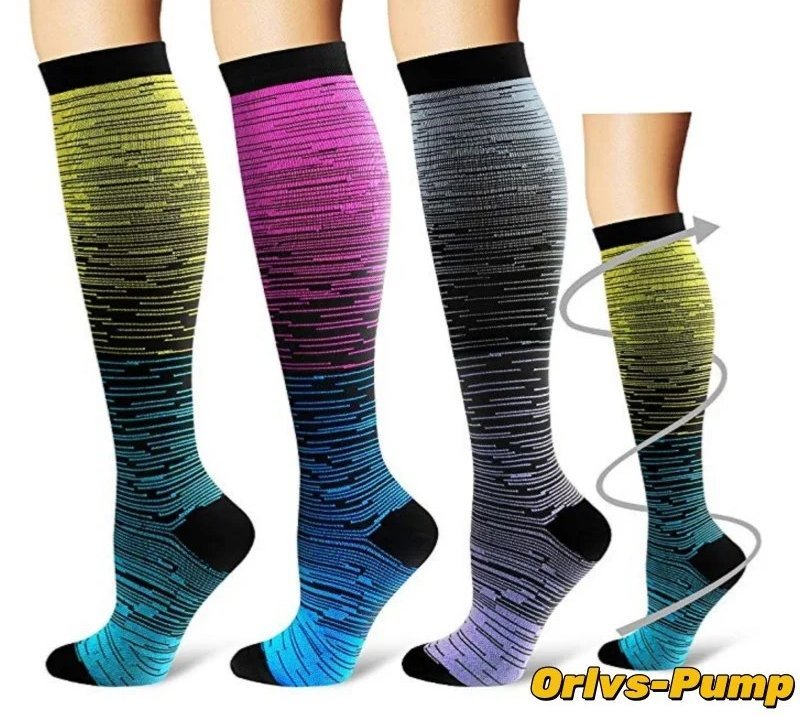
Full socks are one item rather than two, and handle the foot as well - the sport six-pack gives you enough to rotate.
The sport and running range has both.
Sizing, and why runners get it wrong
Running builds calves. A runner's calf measurement is frequently wider than a shoe-size-based chart assumes, which is why so many people conclude compression socks are uncomfortable when the real problem is that they bought a size down.
Measure the widest part of your calf and buy to that. If you are between sizes, go up - the wide-calf range is genuinely cut wider, and the sizing guide covers where to measure.
How to introduce them
Gradually, and never in a race first.
Start on easy runs. Then a long run. Then a session. Only after all three should you consider racing in them. Nothing new on race day is the oldest rule in running and it exists because people keep breaking it.
When runners notice the difference
Overwhelmingly the morning after a long run rather than during it. If you are going to notice anything, that is where.
Judge them over a month of long runs rather than one session, and pay attention to how the next day feels rather than how the run felt - the honest look at running in them covers the wider question.
Wearing them for recovery instead
A lot of my runners end up here, and it is a perfectly good answer. Put a clean pair on after a hard session or a long run, once you have showered, and wear them for the evening.
It requires no change to how you run and no decision during the session - the sport and running range covers that use.
Toe seams and blisters
The detail that decides whether a running sock is comfortable at mile ten.
A seam across the toes that you cannot feel standing still becomes a pressure point over an hour of repeated footstrike. Run a finger inside a new pair before you commit to a long run in them, and if there is a noticeable ridge, keep that pair for recovery wear instead.
This matters more than almost anything else in the specification - the calf sleeve range covers the options.
Winter running
An underrated reason to own a pair. A knee-high covers the part of the leg that shorts and three-quarter tights leave exposed, and on a January evening that makes the first mile considerably less unpleasant.
Plenty of runners wear them November to March and not at all in summer.
Race day travel
Worth separating from racing itself. Travelling to a race - a long drive, a train, a flight to a marathon - is the classic sitting-still case, and wearing a pair for the journey is a different decision from wearing one to run in.
A lot of runners do exactly this and nothing else - the flights and travel range covers journeys, and the travel guide covers longer ones.
How many pairs
Three if you run several times a week, more if you run daily. They want washing after every run, and rotating a set makes each pair last considerably longer than washing one pair constantly - the multipacks are the cheapest route.
Washing running socks
Cool, inside out, no tumble dryer, and do not leave them balled in a kit bag overnight - that is how they end up smelling regardless of how well you wash them afterwards - the care guide covers it.
Rotating them across a training week
Runners buy good socks and then wear one pair until it dies. A rota is worth more than a better sock.
Here is the arrangement I give my club runners on four sessions a week.
- Two pairs for running. One on, one drying. They go in the wash the evening of the session, not the next morning.
- One pair kept for recovery and travel. This pair never runs. It stays clean, it goes on after a hard session or on a long drive, and it lasts twice as long as the others.
- One older pair as the spare. Last season's, softened but serviceable. For easy runs and the days the laundry has not happened.
Four pairs covers any normal week with everything getting at least a day to recover. Elastane needs that day, and a running sock worn two sessions back to back is working from a softer starting point the second time.
The recovery pair is the part people skip and the part that pays off. Running socks get the worst of the sweat and the washing; a clean pair kept back for afterwards stays good for a season or more.
Label the recovery pair if you have to. A marker dot on the toe seam is enough, and it stops the clean pair quietly becoming a running pair.
This is comfort advice, not medical advice, and I am a coach rather than a clinician. The running and sport guide covers the wider subject.
The short version
- Calf fit matters most, then a smooth toe seam, then a fabric that moves damp on.
- Running builds calves, so runners frequently need a wider size than charts assume.
- Sleeves leave your trusted running socks alone; full socks are one item instead of two.
- Introduce them on easy runs, then long runs, then a session. Never a race first.
- The clearest benefit runners report is the morning after a long run, not during it.
Frequently asked questions
What should I look for in a running compression sock?
Fit through the calf above all, a smooth toe seam since a ridge becomes a blister over an hour, a fabric that moves damp on rather than holding it, and enough nylon to survive frequent washing.
Should I get socks or calf sleeves?
Sleeves if you already have running socks you trust, since they cover the calf and leave your feet alone. Full socks if you would rather have one item than two, and they handle the foot as well.
Why do compression socks feel too tight when I run?
Usually because running builds calves and you bought to a shoe-size chart. A runner's calf is frequently wider than those charts assume, so measure the widest point and go up if you are between sizes.
Can I wear them in a race?
Only after you have run in them. Introduce them on easy runs, then a long run, then a session, and race in them only once all three have gone well. Nothing new on race day.
When will I notice a difference?
Most runners report it on the morning after a long run rather than during it. Judge them over a month of long runs and pay attention to how the next day feels rather than how the run itself felt.