Quick answer: Plenty of runners wear them and most report they are more useful after a run than during one. If you want to try them, run in a pair that fits properly, do not race in anything new, and judge them over a few weeks rather than a single session.
I coach club runners from couch-to-5k up to marathon day, and this question comes up every single intake.
Everything below is about comfort and how legs feel. It is not medical advice, and I am a coach rather than a clinician.
The honest position
Runners are divided, and the people who like them mostly like them for afterwards rather than during.
A large number of the runners I work with wear them on recovery days, on long easy runs, or on the evening after a hard session, and comparatively few wear them for a race. That pattern is consistent enough to be worth passing on.
What people actually report
Legs feeling less battered the day after a long run. The most common thing runners tell me, by a distance.
Feeling more comfortable on easy days, particularly on a slow long run.
Liking them for travel to and from races, which is really the travel case rather than the running one - the travel range covers that.
Warmth on cold runs, which is a genuine and underrated benefit in a British winter.
Socks or sleeves?
A real choice and mostly practical.
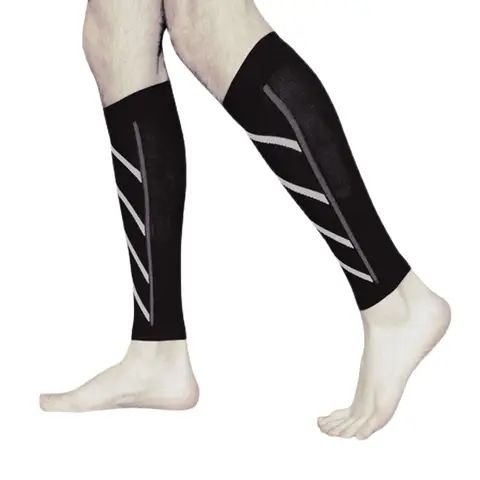
Calf sleeves cover the calf and leave your own running socks alone. That matters if you have a sock you get on with, and it means one fewer thing to change - the all-day sleeves and the featherlight sleeves are both here.
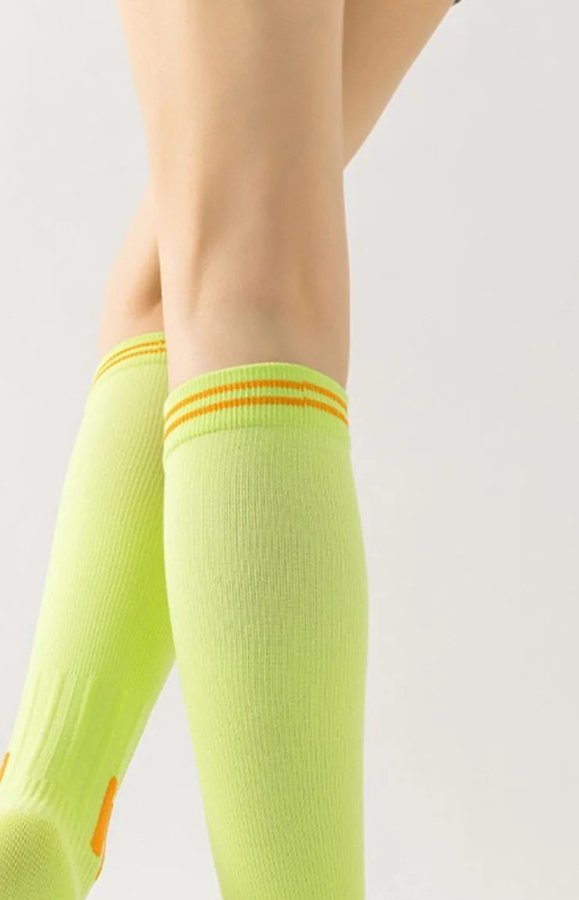
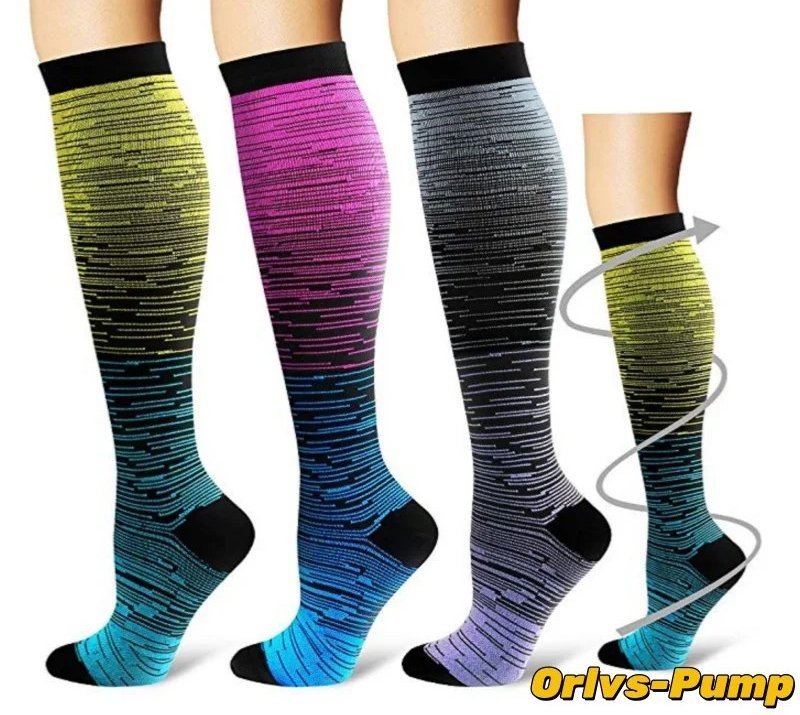
Full socks are one item rather than two and handle the foot as well - the sport six-pack is the multipack option.
The sport and running range has both.
Fit matters more here than anywhere
You are moving for an hour or more, and anything that is slightly wrong becomes very wrong by the end.
Measure your calf and buy to it. Runners and cyclists frequently need a wider calf than a shoe-size chart would suggest, which is exactly the group that ends up with a sock that grips at the top - the wide-calf range is cut properly, and the sizing guide covers measuring.
Never in a race for the first time
The one rule I would insist on. Nothing new on race day - not socks, not shoes, not a gel you have never had.
Try them on easy runs first, then a long run, then a session. If they still suit you after that, race in them.
How to judge whether they help you
Over a few weeks, not one run. Wear them for every long run for a month and pay attention to how the following morning feels rather than how the run itself felt.
That is where most runners notice a difference if they are going to notice one at all - the sport and running range covers wearing them when not running.
Wearing them after a race
The use case most of my club runners settle on eventually.
Put a clean pair on after a hard race or a long run, once you have showered and eaten, and wear them for the evening. It requires no decision during the event and no change to how you run.
Several runners I coach have ended up doing this and nothing else, and it is a perfectly reasonable place to land - the calf sleeve range covers what to wear.
When not to bother
Short easy runs where you feel fine anyway. Hot weather, where an extra layer on your calf is not welcome. And any session where you are already thinking about too many things - keep it simple.
Washing them
Running socks get more washing than any others, so the care matters more. Cool wash, inside out, no tumble dryer, and rotate several pairs rather than washing one pair constantly.
Do not leave them balled up in a kit bag overnight, which is how they end up smelling - the care and FAQs guide covers washing.
Cold weather running
A genuine and underrated reason club runners reach for them in winter.
A knee-high covers the part of your leg that shorts and three-quarter tights leave out, which on a January evening makes a real difference to whether the first mile is miserable. Several of my runners wear them from November to March and not at all in summer, which is a perfectly sensible way to use them.
the men's range covers the options.
How many pairs
Three if you run a few times a week, more if you run daily. They need washing after every run and they last longer rotated - the multipacks are the cheapest way to get there.
The short answer
Worth trying if you run regularly, particularly for the day after a long run. Not worth agonising over. Buy one well-fitting pair, wear it for a month of long runs, and decide - the running and sport guide covers the wider picture.
The short version
- Most runners who like them like them for after a run rather than during one.
- Sleeves leave your own running socks alone; full socks are one item instead of two.
- Fit matters more here than anywhere - runners often need a wider calf than charts suggest.
- Nothing new on race day. Try them on easy runs, then long runs, then a session.
- Judge over a month of long runs by how the next morning feels, not one run.
Frequently asked questions
Should I run in compression socks?
Plenty of runners do, though most report finding them more useful after a run than during one - particularly on the morning after a long effort. Worth trying if you run regularly, and not worth agonising over.
Calf sleeves or full socks?
Sleeves cover the calf and leave your own running socks alone, which matters if you have a pair you get on with. Full socks are one item rather than two and handle the foot as well. Both work.
Can I wear them for a race?
Only if you have already run in them. Nothing new on race day - try them on easy runs first, then a long run, then a session, and race in them only once you know they suit you over that distance.
How do I tell whether they help me?
Over a few weeks rather than one run. Wear them for every long run for a month and pay attention to how the following morning feels rather than how the run itself felt. That is where runners usually notice.
How many pairs do I need?
Three if you run a few times a week, and more if you run daily. They need washing after every run and last noticeably longer worn in rotation than one pair washed constantly.