Quick answer: Men's compression socks differ mainly in foot size range and calf width rather than in the knit itself. Buy to your calf measurement, choose knee-high for most purposes, and check the range genuinely covers larger shoe sizes rather than stopping at UK 11.
Thirty years of crew rooms taught me that men buy socks badly - by shoe size, in a hurry, and usually one pair.
What actually differs from women's socks
Less than the labelling suggests. The graduated knit is the same idea; what changes is the size range and the shape.
Men's ranges run to larger shoe sizes, are generally cut with a longer foot, and often have a slightly wider calf as standard. Colours tend to be plainer, which is a marketing decision rather than a technical one.
If a women's design fits your leg and you like it, there is nothing stopping you wearing it - the men's range covers the overlap.
The two numbers
Shoe size, which most men know. Check the range actually goes up far enough - plenty stop at UK 11 and quietly leave larger feet out.
Calf measurement, which most men have never taken. Widest part, first thing in the morning, standing up. That is the number that decides whether the sock is comfortable - the sizing and fit guide covers where the tape goes.
Men are more likely than women to need a wide-calf cut, particularly anyone who cycles, runs or lifts - the wide-calf range is knitted genuinely wider rather than just longer.
Length
Knee-high for almost everything - work, flying, long shifts, driving. It covers the calf, which is the part that notices.
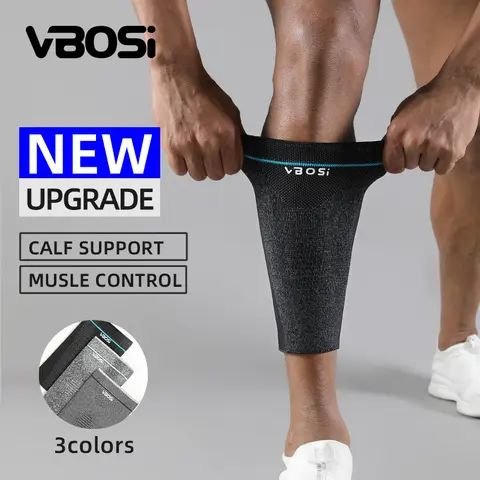
Ankle and low-cut disappear inside trainers, which some men prefer for the gym, though they cover none of the calf - the ankle range. Footless calf sleeves go over your own socks, which is a neat solution if you have work socks you are not giving up - the footless range.
The look, since it puts people off
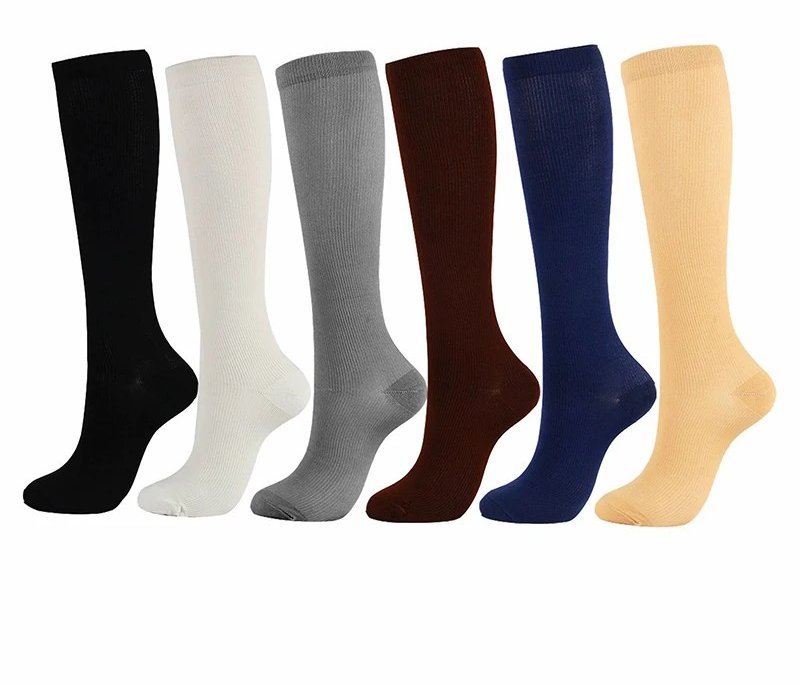
The reason a lot of men never try these is that they picture something beige and clinical. That has not been true for a while.
Plain and Simple is a plain dark sock that reads as an ordinary work sock. Jazz Night and Midnight Patterns have a bit more going on. Navy Runner and Match Day both look like sports socks - the men's range has the rest.
Under work boots and trainers
Worth thinking about if your footwear is snug.
A compression sock is not necessarily thick, but it is another layer, and a steel-toe boot or a close-fitting trainer has no spare room. Check the sock thickness rather than the specification, and if the boot is already tight, a thinner knit or a footless sleeve over a thin sock is the sensible route.
For work
Anyone doing a long shift on their feet - warehouse, delivery, kitchen, trade, security - is in the group that tends to find these worth wearing. Buy several pairs and rotate them, because daily wear needs daily washing - the work range covers those, and the on-your-feet guide covers the days.
For sport
Calf sleeves are popular for running and the gym because they leave your own sock alone and are easier to get on and off around training - the all-day calf sleeves are the everyday option - the sport range covers the rest, and the sport guide covers when they suit.
For flying and driving
Knee-high, breathable, put on before you leave home. Long-haul and long motorway drives are the clearest case for wearing them at all - the flights and travel range covers it.
Cycling and driving
Two cases men ask about that sit either side of the usual advice.
Cycling builds calves, so a wide-calf cut is more likely to be needed than the shoe-size chart suggests. Long-distance driving is a sitting case rather than a standing one, so it follows the travel guidance instead - the road trip guide covers driving.
For either, measure the calf rather than assuming - it is the number that decides comfort.
How many
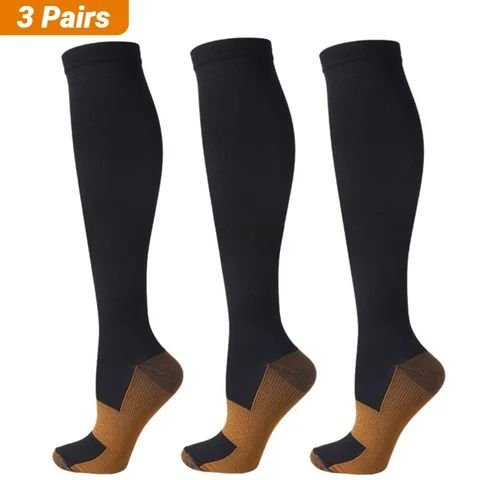
Not one. They want washing after each wear and they last longer rotated, so three is a sensible minimum for anything regular. Multipacks are considerably cheaper per pair - the multipacks cover that, and the spending guide covers value.
Wearing them with a suit
A question that comes up from men who travel for work and would rather not look like they are wearing sports kit.
A plain dark knee-high under a suit trouser is invisible, and it is the right length anyway. Avoid anything with a visible logo at the cuff, and avoid an obvious sports pattern if you will be taking your shoes off in an office.
Plain and Simple is the obvious one and the knee-high range has other plain options.
Washing
Cool wash at 30, inside out, and no tumble dryer. Heat is what kills the stretch, and once that goes the sock is finished however new it looks - the care and FAQs guide covers it.
This is comfort advice, not medical advice. Browse the complete buyer's guide or the bestsellers.
The short version
- The knit is the same; men's ranges differ in foot length, calf width and colour.
- Check the shoe size range goes far enough - plenty stop at UK 11.
- Take a calf measurement; men more often need a genuine wide-calf cut.
- Check thickness, not specification, if you wear snug boots or trainers.
- Buy three pairs and rotate - daily wear means daily washing.
Frequently asked questions
How do men's compression socks differ from women's?
Mainly in size range and shape rather than the knit. Men's ranges run to larger shoe sizes, are cut with a longer foot and often a wider calf. The colours are a marketing difference, not a technical one.
What size should I buy?
Buy to two numbers: your shoe size, checking the range goes up far enough, and your calf measurement at its widest, taken first thing in the morning. The calf number is the one that decides comfort.
Will they fit under work boots?
Check the thickness rather than the specification. A compression sock is another layer, and a steel-toe boot has no spare room. If the boot is already snug, a thinner knit or a footless sleeve is the sensible route.
Do they have to look clinical?
No, and that assumption is why a lot of men never try them. Plain dark designs read as ordinary work socks, and there are patterned and sports-looking styles that give nothing away at all.
How many pairs do I need?
At least three for regular wear. They want washing after each wear and last noticeably longer worn in rotation than one pair worn constantly. Multipacks work out considerably cheaper per pair.